

Table of Contents
What are cold email outreach response rates 2026? Learn real benchmarks, avoid spam filters, and improve reply rates with practical outreach tips.
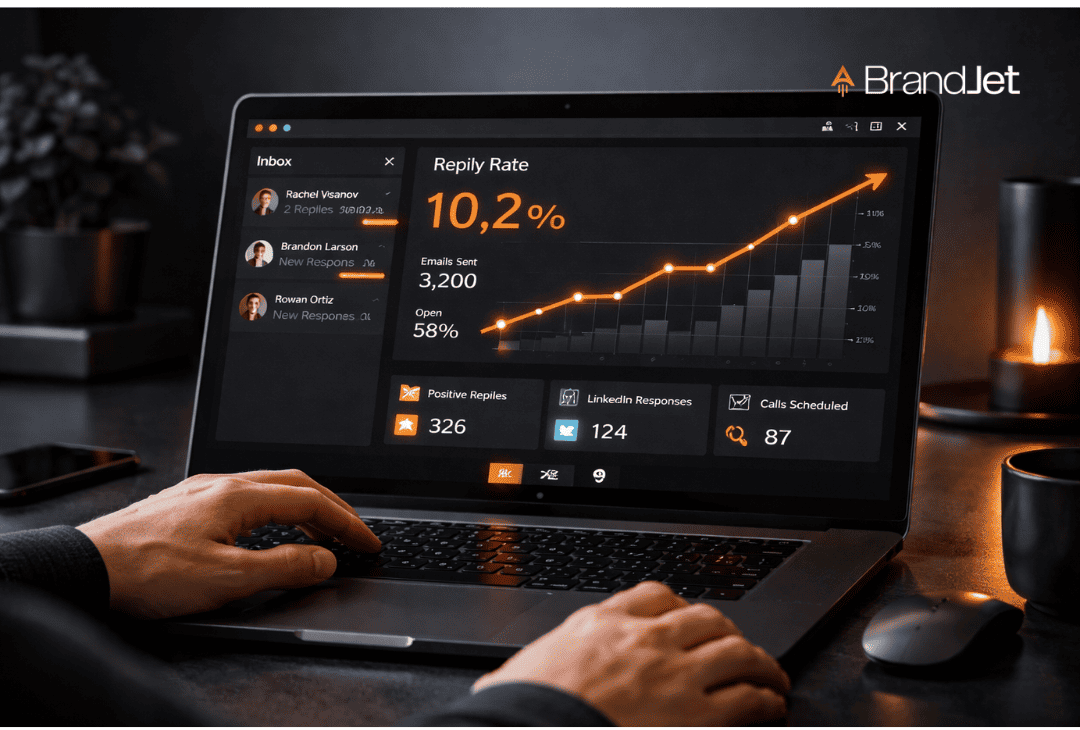
Cold email still works in 2026, but the rules changed. Most teams no longer measure success by open rate. Instead, they track replies and meetings booked.
If you run outbound campaigns, your cold email response rate shows whether your targeting, message, and deliverability actually work,or flop, with rates stuck below 5% for most.
If you want one system to run multichannel outreach and monitor brand perception while doing it, explore BrandJet.
Cold Outreach Cheat Sheet: What Actually Drives Replies
These points capture the core system behind consistent replies,reach the inbox, stay relevant, and show up across channels.
- Response rates beat open rates. A 2–5% reply rate means you’re hitting marks; under 1% screams fix your list or copy.
- Deliverability rules all. Land in the inbox? Expect 10x better replies,use tools that warm domains, dodge filters.
- Multichannel lifts. Emails alone get 3% replies; add LinkedIn, calls,jump to 15% bookings, per recent campaigns.
- Track perception too. Bad buzz kills deals; monitor mentions real-time, tweak as you go.
Cold Email Response Rate Benchmarks
Teams freak out over low replies, but benchmarks paint a clear picture,most land in a tight 1-15% range, depending on effort.
A response rate just counts replies from recipients, positive or not; it’s the raw pulse of your campaign.
According to the Martal Group,
“Platform-wide average reply rate in 2025–2026: 3.43%” –Martal Group
| Campaign Type | Typical Response Rate | What It Usually Means |
| Generic mass campaigns | 1–2% | Poor targeting or generic messaging |
| Basic personalized outreach | 3–5% | Standard B2B performance |
| Strong targeting + good personalization | 5–8% | Healthy outbound system |
| Advanced personalization or warm context | 10–15%+ | Highly targeted campaigns |
Example: Send 1,000 cold emails and receive 40 replies → that equals a 4% response rate, which is solid for standard B2B outreach.
That shifts focus to reply-to-meeting conversion, where a 6% reply rate with sharp follow-ups beats 10% that goes nowhere,teams see 20-30% conversion as the real gold.
What Actually Drives Cold Email Reply Rates
Copy grabs eyes, but four basics drive replies most,targeting, deliverability, timing, follow-ups; get those wrong and even sharp words flop hard.
Targeting
Lists beat wording every time. Mismatched prospects tank rates to under 2%, teams watch that drop fast.
- verified work emails
- accurate lead data
- clear ideal customer profiles
- segmented prospecting lists
Small relevant lists pull 5x replies over big sloppy ones,numbers don’t lie.
Deliverability
Best pitch? Useless in spam. Infrastructure decides inbox or trash. Learn more about email compliance and deliverability.
- SPF, DKIM, DMARC authentication (these verify you’re legit, block fakes)
- sender reputation and domain reputation
- low bounce rate, under 2%
- proper Email Warm-Up
- avoiding Spam Traps
Message Relevance
Good cold emails are short and specific. See cold email strategies for more examples.
- stay under 100–150 words
- open with a relevant observation
- include one simple call to action
According to the SoPro,
“Advanced personalization increases response rates to 18%, compared to 9% for generic emails.” – SoPro
Example opening:
“Saw your team expanding outbound hiring this quarter,curious if improving reply rates is part of that plan?”
This kind of opening signals relevance immediately.
💡 Pro Tip: Many founders rewrite their email body repeatedly when reply rates fall. In reality, the issue is often inbox placement, not messaging. Always check deliverability before changing your copy.
How To Improve Cold Email Response Rates
Teams lose sleep over weak replies. Benchmarks say most hit 1–15%, tight band really. Response rate? Just replies divided by sends,positive, grumpy, whatever.
| Campaign Type | Typical Response Rate | What It Means |
| Generic blasts | 1–2% | Bad lists, bland words |
| Basic personal | 3–5% | Normal B2B stuff |
| Good targeting + personal | 5–8% | Solid setup |
| Fancy personal or warm leads | 10–15%+ | Sharp work |
Send 1000, get 40 back? 4%. Decent for B2B. Reply-to-meeting matters more though,a 6% reply with 25% bookings smokes 10% that fizzles.
Focus on quality conversations over vanity metrics every single time. Start with a structured outreach system.
💡 Pro Tip: Instead of saying “Just following up,” add new value in each follow-up. A small data point, quick case example, or relevant article increases response rates significantly.
Why Multichannel Outreach Improves Response Rates
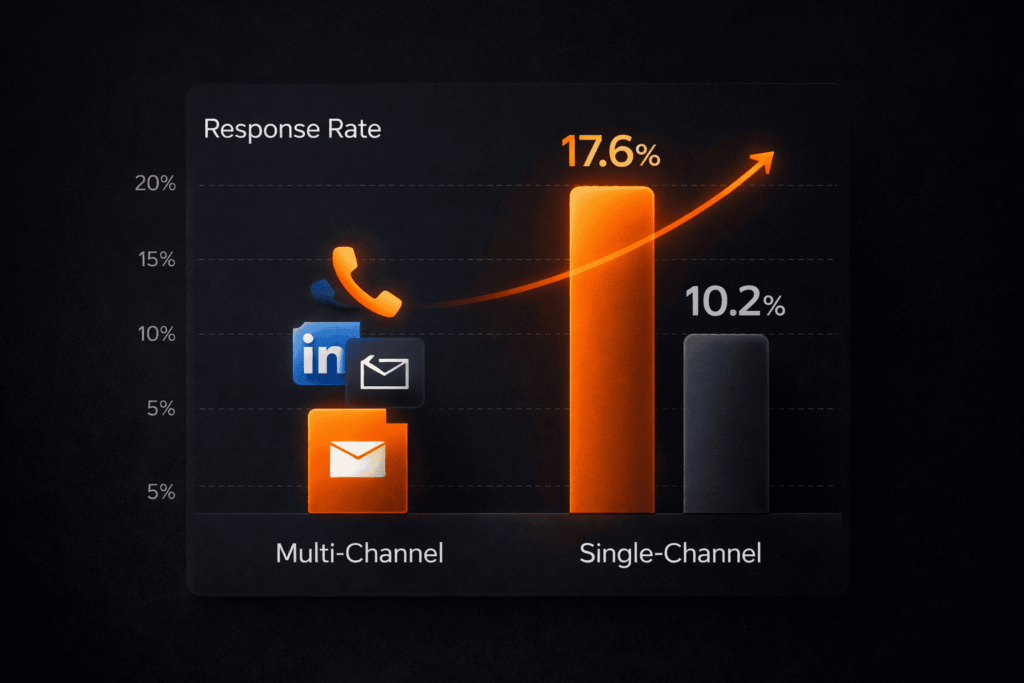
Cold emails don’t stand alone much these days. Buyers get swamped with messages, maybe 40-60 a day, so one channel slips by easy. Learn how multichannel outreach works.
Layer on more touches. Familiarity kicks in, replies go up,probably doubles ’em.
| Channel | What It Does |
| Sends the main pitch | |
| Builds trust, shows you’re real | |
| Cold calls | Starts talk right away |
| Social posts | Grows ties over time |
Name shows up places? Less spam vibe. More like someone they know a bit. Consistency across channels matters just as much as the message itself.
Timing helps too,spaced touches feel natural, not pushy or desperate.
When people recognize you, they hesitate less to reply. Each channel reinforces the other, turning cold outreach into something warmer.
Even simple engagement like profile views or likes can boost recognition. Over time, this layered approach builds trust faster than email alone.
How BrandJet Supports Outreach Campaigns
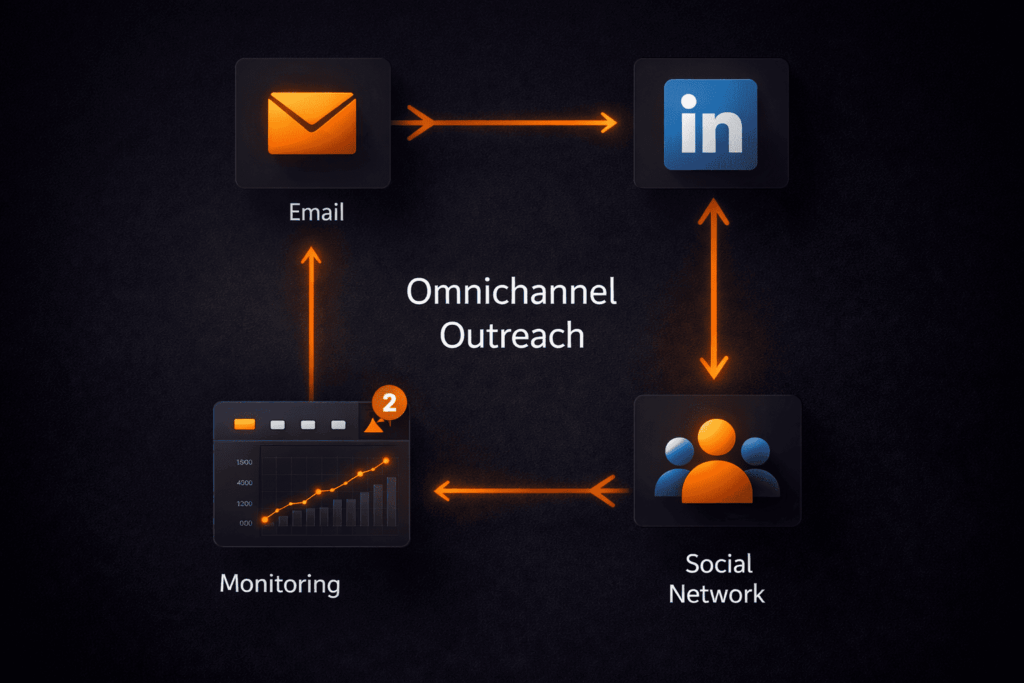
Growth teams often wrestle with tools that don’t talk to each other. Email blasts sit apart from LinkedIn messages, CRM logs, and brand checks,it’s a mess, really.
BrandJet changes that. It links outreach work right up with brand smarts, so you’re not just blasting emails.
Campaign Coordination
Teams handle outreach in one spot across email campaigns, LinkedIn messages, WhatsApp chats, or social DMs (direct messages, you know).
This cuts the hassle of switching apps mid-sequence. Outbound folks manage everything together,sequences flow smooth, or close to it.
That setup leads naturally into knowing your brand’s vibe before you reach out.
Brand Monitoring For Context
BrandJet watches how people see your brand on Reddit threads, YouTube videos, social feeds, even AI answers.
Specifics? It pulls mentions daily, scores sentiment on a 1-10 scale (positive to negative). Teams get context fast,what prospects think now shapes better messages.
No more blind outreach; you see the real talk first. Teams that want to combine outreach campaigns with brand intelligence can explore BrandJet.
💡 Pro Tip: When you reference a recent brand mention or industry conversation in the first line of a cold email, response rates improve because the message feels contextual.
Common Cold Email Mistakes In 2026
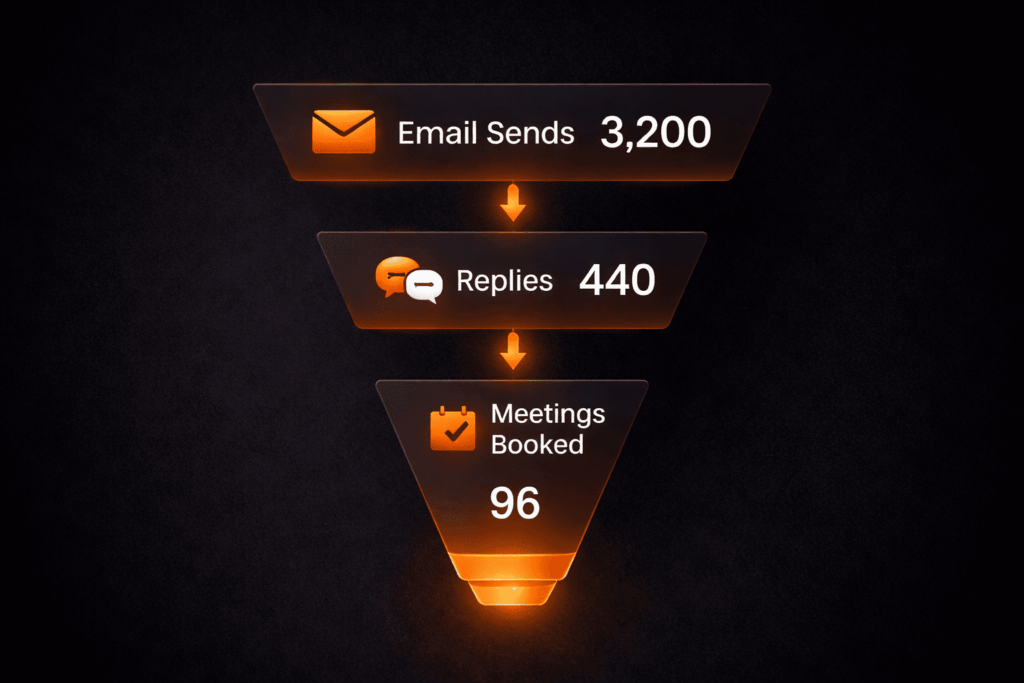
Campaigns flop for reasons you see coming a mile off, outbound teams in every field hit the same walls, over and over. Avoid these with cold email best practices.
Sending Too Much Volume Too Soon
Blasting hundreds of emails from a fresh domain tanks your sender rep fast,deliverability drops like a stone. A smarter ramp-up goes gradual.
| Week | Emails Per Day |
| Week 1 | 10–20 |
| Week 2 | 20–40 |
| Week 3 | 40–80 |
Scaling slow protects your inbox placement, probably keeps bounce rates under 2%.
Teams that ease in find their groove quicker, which ties right into how they open those emails.
Writing About Yourself
Cold emails droning on about your company’s features? They bomb. Weak opener: “We are an AI platform that helps companies improve outreach.”
Stronger: “Notice your team scaling outbound hiring,many teams struggle to maintain reply rates during growth.” Shift to the reader’s world. It pulls them in.
From there, the close matters just as much,don’t leave it hanging.
Vague Call-To-Action
Emails fizzle with fuzzy ends like “Let me know your thoughts”, too much work for the reader. Try a sharp question: “Open to a quick 15-minute call next week?”
Clear asks boost replies by 20-30%, meetings book easier. Friction kills; specifics win.
FAQ
How Do Spam Filters Affect Cold Email Outreach Response Rates?
Spam filters strongly affect cold email outreach response rates because they decide whether emails reach the inbox or the spam folder. When emails land in the spam folder, recipients rarely see them, which reduces reply rates.
Missing SPF, DKIM, or DMARC records, poor sender reputation, and high bounce rate often trigger spam filters. Maintaining strong email deliverability and clean email lists protects inbox placement.
What Is The Difference Between Email Open Rate And Reply Rate?
Email open rate measures how many recipients open an email, while reply rate measures how many recipients send a response. Open rates can be unreliable because many email platforms block tracking pixels.
The email reply rate provides a clearer signal of engagement in cold outreach. Most outbound teams prioritize response rates and reply-to-meeting conversion instead of focusing only on open rates.
How Does Email List Quality Influence Cold Email Response Rates?
Email list quality directly affects cold email response rates. Accurate lead data and verified email lists help reduce bounce rate and improve inbox placement. Poor data quality from outdated email list providers can damage domain reputation and sender reputation.
Using email verification tools and maintaining clean prospecting lists ensures that email campaigns reach valid work emails and relevant prospects.
How Can A/B Testing Improve Cold Email Campaign Performance?
A/B testing helps outbound teams identify what improves reply rates in cold email campaigns. Teams can test different email subject lines, email body formats, or call to action phrasing.
They may also test send times and campaign size. Careful campaign reporting reveals which changes increase email response, click-through rate, and cold email conversion rate across different audiences.
Why Do Multichannel Outreach Strategies Improve Email Response Rates?
Multichannel outreach improves email response rates because prospects see the sender across several communication channels. A typical strategy combines cold email, LinkedIn outreach, cold calling, and social outreach.
This repeated visibility builds familiarity and credibility with prospects.
As a result, outbound teams often see higher booking rates, more meetings booked, and stronger conversion rates from coordinated outreach efforts.
Cold Email Response Rates
You send emails, wait, and hear nothing back, and it gets frustrating fast. It often comes down to weak targeting or poor setup, not just the message. Fix the basics and you’ll see replies pick up. It’s that simple.
If you want a smoother way to manage outreach and see how people react across channels, try BrandJet.
References
- https://martal.ca/b2b-cold-email-statistics-lb/
- https://sopro.io/resources/blog/cold-outreach-statistics/

More posts
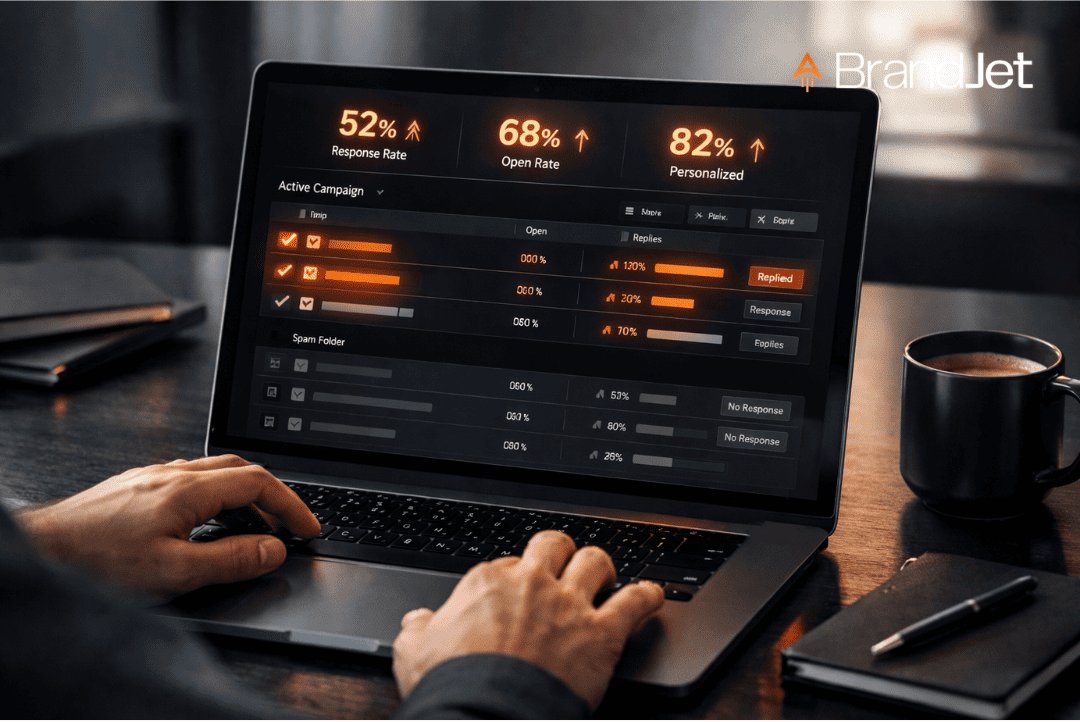
How Effective Is Cold Email Outreach in 2026
How effective is cold email outreach in 2026? See real response rates, benchmarks, and simple ways to improve your...

Cold Email Vs Warm Email Outreach: Strategy Guide
Cold email vs warm email outreach: compare strategies, learn when to use each, and improve lead generation, response...
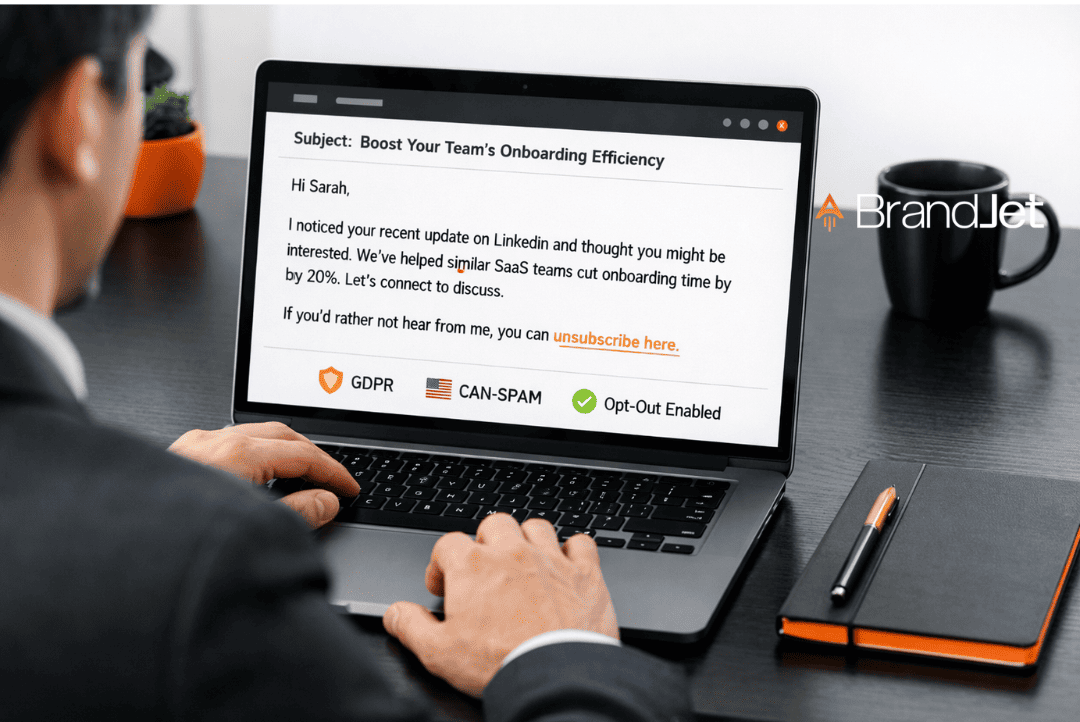
Is Cold Email Outreach Legal? A Clear 2026 Guide
Is cold email outreach legal? Understand CAN-SPAM, GDPR, and key laws so you stay compliant and avoid costly mistakes....