

Table of Contents
Discover the top cold outreach platforms 2026 that combine email, LinkedIn, and messaging to boost reply rates, deliverability, and multi-channel efficiency.
Cold outreach in 2026 works best when it runs as a system, not a one-off tool. The top platforms combine email, LinkedIn, and follow-ups in one place. That mix drives more replies than sending emails alone.
Single-channel outreach still exists, but it struggles to keep up. Multi-channel setups, done right, win more conversations.
Try it yourself with BrandJet, where you can run multi-channel outreach without juggling tools. Keep reading to see what actually matters.
What actually matters in top cold outreach platforms 2026
Most people search for the best cold outreach software. What they need is a system that holds up under real use.
- Multi-channel beats single channel
- Deliverability matters more than copy
- Systems outperform standalone tools
Quick Comparison of Top Cold Outreach Platforms 2026
Here’s a quick comparison of the top cold outreach platforms in 2026, showing their channels, personalization, deliverability, and ideal use cases at a glance:
| Platform | Channels | Personalization | Deliverability | Brand Monitoring | Best For |
| BrandJet AI | Multi-channel (Email, LinkedIn, X, WhatsApp, Instagram, Telegram) | Medium-High | High | Yes | B2B teams, agencies |
| Instantly.ai | Email only | Low | Very High | No | Agencies, lead-gen shops |
| Lemlist | Email + LinkedIn (+phone/SMS) | High | Medium | Limited | Founder-led sales, SDR teams |
| Smartlead.ai | Email only | Medium | Very High | No | Deliverability-first teams |
| Salesforge | Email + LinkedIn (+calls/SMS) | Medium | Medium | No | B2B sales teams |
| Outreach / Salesloft / Reply.io | Multi-channel | High | High | Medium | Enterprise/mid-market teams |
| Apollo.io | Email + Phone | Medium | Medium | Limited | Small-to-mid B2B teams |
Top 7 Cold Outreach Platforms 2026
- BrandJet AI
Overview
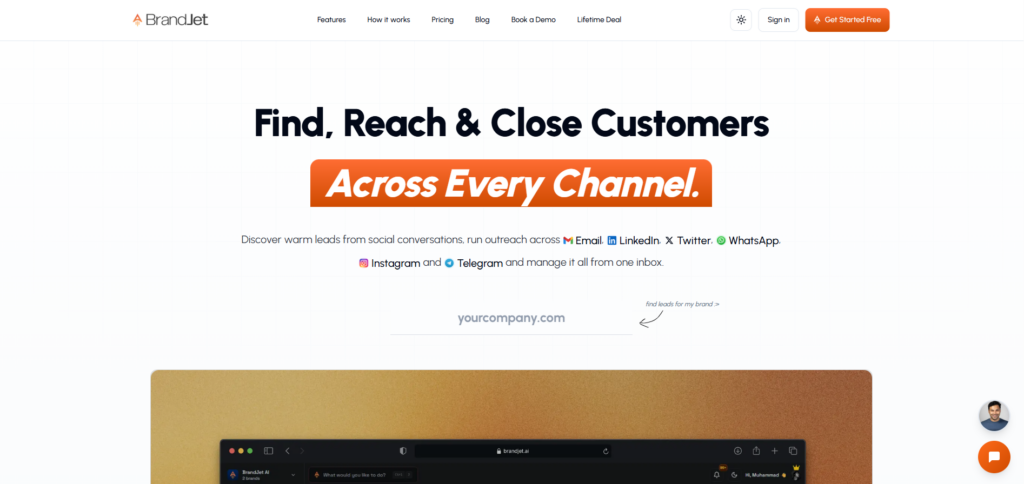
BrandJet AI combines multi-channel outreach with brand monitoring, social listening, and AI agents. Teams can find demand, launch campaigns, and manage replies all in one place.
Key Features
- Multi-channel sequences: email, LinkedIn, X, WhatsApp, Instagram, Telegram
- Visual sequence builder for multi-step campaigns
- Brand & keyword monitoring across social, news, forums, AI models
- AI perception scores and sentiment analysis
- Unified inbox for replies
- AI assistant “Artemis” to import leads, build campaigns, and optimize sequences
Strengths
- Insight → outreach → reply loop in one system
- Deep social and AI monitoring
- Consolidates multiple tools into one
Weaknesses
- More complex than email-only tools
- Some advanced AI monitoring features require higher plans
Ideal Use Cases
- B2B teams closing customers across channels
- Agencies and founders monitoring brand signals for outreach
- Instantly.ai
Overview
Instantly is built for high-volume cold email. Unlimited accounts, strong warmup, and agency-friendly pricing make it ideal for scaling.
Key Features
- Unlimited sending with mailbox rotation
- Built-in warmup simulating realistic conversations
- Basic sequencing, A/B testing, and reporting
Strengths
- Scales from thousands to tens of thousands of emails per day
- Warmup included for all accounts
Weaknesses
- Email-centric; multi-channel requires external tools
- Limited brand or intent monitoring
Ideal Use Cases
- Agencies and lead-gen shops needing massive email volume
- Teams with separate CRM/data who just need sending power
- Lemlist
Overview
Lemlist focuses on creative multichannel personalization. It works across email, LinkedIn, and some phone/SMS for mid-volume campaigns.
Key Features
- Multichannel sequences: email + LinkedIn, optional phone/SMS
- AI sequence generator from ICP description
- Visual personalization: images, videos, landing pages
Strengths
- Works well when personalization drives replies
- Clean multichannel interface
Weaknesses
- Not optimized for ultra-high volume
- Limited intent or social signals
Ideal Use Cases
- Founder-led or SDR teams with tailored campaigns
- Outreach where visuals and landing pages add impact
- Smartlead.ai
Overview
Smartlead is an AI-driven cold email platform with mailbox rotation, deliverability focus, and integrations with CRM/enrichment tools.
Key Features
- Unlimited mailboxes, automated rotation, warmup
- Master inbox for replies
- Integrations: Clay, HubSpot, Salesforce, Pipedrive, Zapier, Make, n8n
Strengths
- Strong deliverability and infrastructure
- Works as part of a larger stack
Weaknesses
- Email-focused; multi-channel requires integrations
- Less emphasis on brand or social monitoring
Ideal Use Cases
- Teams prioritizing deliverability in cold email
- Agencies managing multiple client inboxes
- Salesforge
Overview
Salesforge is an all-in-one multichannel sales platform combining email and LinkedIn with AI-assisted personalization.
Key Features
- Unified sequences: email + LinkedIn (calls/SMS optional)
- AI content assistance
- Centralized tracking and replies
Strengths
- Built for email + LinkedIn together
- Modern Sales Engagement alternative
Weaknesses
- Limited brand or social monitoring
- Ecosystem still growing
Ideal Use Cases
- B2B sales teams using email + LinkedIn
- Startups seeking Salesloft-style tools without full enterprise cost
- Outreach / Salesloft / Reply.io
Overview
These enterprise sales engagement tools handle outbound and account-based workflows, often integrated with Salesforce.
Key Features
- Multi-step, multi-channel sequences
- Dialers, call recording, CRM integrations
- Reply.io: email, LinkedIn, phone, SMS, WhatsApp, drag-and-drop builder
Strengths
- Deep analytics, coaching, CRM sync
- Supports mid-market/enterprise workflows
Weaknesses
- Overkill for small teams
- High pricing and complex setup
Ideal Use Cases
- Large B2B teams needing governed outbound
- Teams using voice, email, and social in one system
- Apollo.io
Overview
Apollo combines a large B2B database with outreach and light CRM features.
Key Features
- 250M+ contact database with enrichment and verification
- Email sequences and basic dialing
Strengths
- Combines data with outreach in one platform
- Feeds other tools with verified leads
Weaknesses
- Outreach not as specialized for deliverability
- Limited multi-channel beyond email/phone
Ideal Use Cases
- Small-to-mid B2B teams wanting an all-in-one lead source
- Acts as a data backbone for BrandJet, Smartlead, or Instantly
Cold Outreach Platforms
A top cold outreach platform in 2026 does more than send emails. It runs email, LinkedIn, and messaging in sync, with built-in deliverability checks and automation.
You are not picking a tool. You are picking a system that controls timing, channels, and data quality.
Multi Channel Outreach
Multi channel outreach platforms combine a few key channels into one flow:
- Email as the main channel
- LinkedIn for trust and follow-ups
- SMS or messaging for quick replies
This setup increases visibility. Prospects see your name more than once, which makes the outreach feel familiar, not random.
As noted by U.S. Chamber of Commerce
“Hybrid selling is an omnichannel sales approach that combines digital and offline outreach. The rise of hybrid selling has brought sales and marketing teams closer together. […] Strong sales and marketing collaboration with an emphasis on social selling are the main ingredients for success in 2026.” – U.S. Chamber of Commerce
Think of it this way. One email is a single knock. Email, LinkedIn, and a message together create repeated signals that are harder to ignore.
Deliverability Infrastructure
Deliverability now decides whether your campaign even gets seen. Strong platforms handle the technical side so your emails land in inboxes, not spam.
A solid setup includes:
- Domain rotation for cold email
- Cold email warmup software
- Deliverability monitoring and alerts
Without this layer, even strong copy will not perform. Messages fail before anyone reads them.
💡ProTip: Most campaigns fail before the first reply. Check bounce rate (<1%) and spam complaints (<0.1%) before changing your copy.
AI Outreach Tools
AI now supports outreach, but it does not replace judgment. It helps you move faster, not think for you.
Common use cases include:
- AI-assisted cold email writing
- Personalized email variations at scale
- Intent-based targeting signals
In a recent analysis by McKinsey & Company
“Our latest B2B Survey of 3,000 decision-makers shows how agentic AI is creating value beyond connectivity, raising the bar on execution, integration, and trust. […] Agentic AI is resetting the growth equation.” – McKinsey & Company
The limit is clear. Generic AI messages stand out in a bad way, especially in high-volume campaigns. People can tell when it is automated.
Cold Outreach Software
The best cold outreach software groups naturally by how teams actually use it. Picking by workflow matters more than chasing features.
Email First Platforms
These tools focus on high-volume sending. They handle inbox management, domain rotation, and verification, so emails land where they should.
| Feature | What it means |
| Sending scale | Built for large campaigns |
| Deliverability | Keeps emails in inboxes |
| Integrations | Works with verification tools |
Good fit for:
- SaaS outbound teams
- Agencies running multiple campaigns
Multi Channel Platforms
These combine email and LinkedIn into a planned sequence. Each step adds visibility without being overwhelming.
| Step | Channel |
| Day 0 | |
| Day 2 | |
| Day 4 | Follow-up email |
They support:
- Multi-step sequences
- Cross-channel cadences
- Unified inbox tracking
Reply rates improve because prospects see consistent, timely follow-ups instead of scattered messages.
All In One Systems
These platforms combine prospecting, outreach, and reporting in one place. Teams use them to manage the full outbound process.
| Component | Included |
| Prospecting | B2B lead data |
| Outreach | Email + sequences |
| Tracking | Reports and dashboards |
BrandJet fits here. Teams use it to run outreach with context, not just volume, combining automation with brand signals.
Outreach Platform Comparison
Here is how the main platform types differ in daily use. The gap shows up fast once you run real campaigns, not demos.
| Feature | Email-First Tools | Multi-Channel Tools | All-in-One Platforms |
| Channels | Email only | Email + LinkedIn | Email + LinkedIn + Social |
| Deliverability Control | High | Medium | High |
| Personalization Depth | Medium | High | High |
| Unified Inbox | Limited | Yes | Yes |
| Brand Monitoring / Intent Data | No | Limited | Yes |
| Best For | Volume sending | Balanced outreach | Full GTM workflows |
Email-first tools push volume. Multi-channel tools balance reach and context. All-in-one platforms connect outreach with data, which changes how teams prioritize leads.
BrandJet Use Cases
Modern outreach tools become more useful when tied to clear use cases. BrandJet connects outreach with brand signals, which changes who you contact and when.
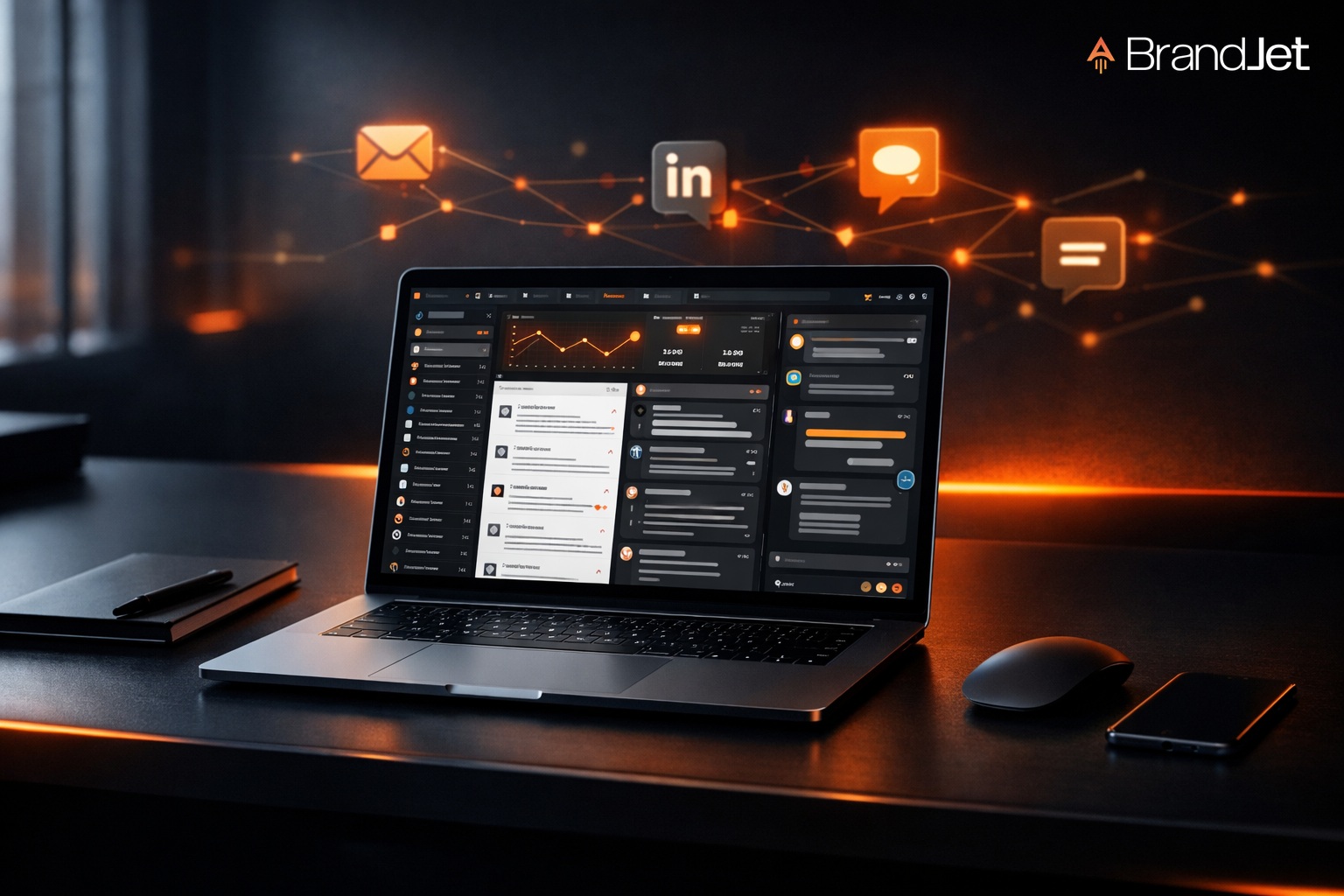
[Image Placement: Featured Image — “Multi-channel outreach flow diagram showing email, LinkedIn, and messaging integration with reply tracking metrics”]
SaaS Demand Generation
SaaS teams often track live conversations instead of static lists.
- Monitor keywords like “SEO tools”
- Pull leads already discussing the problem
- Launch multi-channel sequences
This shifts outreach from cold guessing to timely contact. The lead already has context before you reach out.
Agency Outreach Scaling
Agencies manage multiple clients, so tool switching slows them down.
| Need | Solution |
| Multi-client management | One dashboard |
| Contact data | Enrichment tools |
| Team coordination | Unified inbox |
BrandJet brings these into one system. Teams move faster because everything sits in one place.
If you want to test this setup, start with BrandJet.ai and run a small campaign first.
Creator Outreach
Partner and link-building outreach works best across multiple channels. One message rarely gets noticed.
- Email: main pitch
- Social DM: lighter follow-up
- LinkedIn: credibility touch
Using multiple channels feels more natural and mirrors how people communicate in real life.
FAQ
What steps improve email deliverability rates for cold outreach campaigns?
Start by warming up your inbox gradually. Authenticate your domain and monitor blacklist status. Use dedicated IPs and email verification tools. Track inbox placement rates and adjust sending volume as needed. Following anti-spam policies protects your domain reputation and ensures more messages land in inboxes, not spam.
How can LinkedIn automation enhance B2B outreach without appearing spammy?
LinkedIn automation can handle connection requests, messages, and follow-ups efficiently. AI personalization makes content relevant for each prospect. Pair LinkedIn outreach with email campaigns or social media to increase visibility. Sync replies with CRM systems to keep your sales pipeline organized. Moderate timing and volume to avoid spam triggers.
What role do email warm-up tools play in cold email campaigns?
Email warm-up tools gradually increase sending volume to establish a positive sender reputation. They simulate replies and interactions to avoid spam filters. Combining warm-up with inbox rotation, email authentication, and verification credits improves inbox placement rates. This prepares new domains and accounts for consistent, reliable cold email campaigns.
How do I select the best lead database for targeted outreach?
Choose a lead database with accurate contacts and proper segmentation. Use email verification or validation to ensure data reliability. Look for CRM integration, lead discovery, and prospect finder features. Support for multi-channel outreach and automation makes campaigns more effective. Clean, verified data increases response rates and helps build a strong pipeline.
How can AI-powered sequences improve campaign management and email personalization?
AI-powered sequences automate personalized emails, follow-ups, and subject lines based on prospect behavior. They integrate with pipeline management tools to track leads and campaign performance. Sequences adjust dynamically for better reply rates. Multi-channel campaigns across email, LinkedIn, and social media become easier to manage. Teams save time while improving campaign results.
Stop Wasting Time on Complicated Systems
If you’re still juggling multiple tools and wondering why responses are low, it’s frustrating and obvious. You’re losing hours tweaking sequences that don’t work, and it slows down your outreach. Reality check: complexity isn’t better.
BrandJet makes cold outreach simple, keeping your emails, calls, and messages in one place. You can test quickly, focus on what actually delivers results, and stop guessing what works. Using it gives you control without extra hassle, and finally lets your campaigns reach the people who matter.
References
- https://www.uschamber.com/co/grow/sales/sales-strategies-to-embrace-in-new-year
- https://www.mckinsey.com/industries/technology-media-and-telecommunications/our-insights/winning-b2b-customers-in-technology-and-telecommunications